
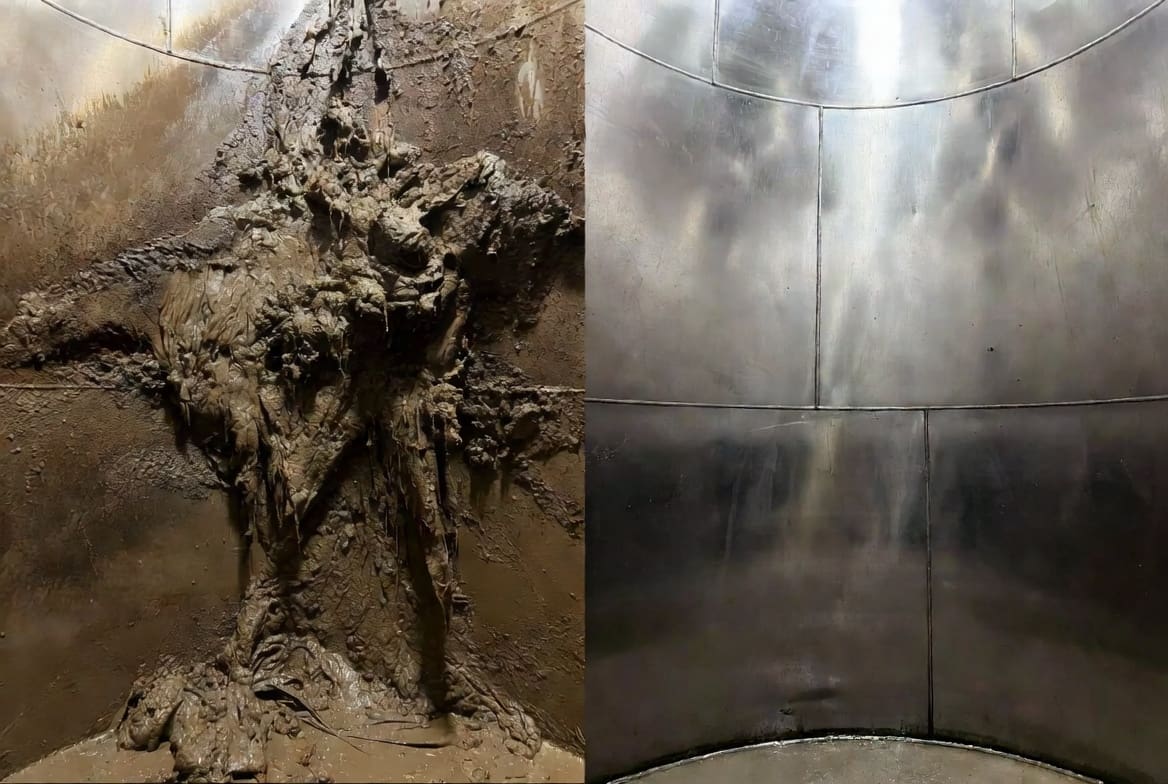
In South Africa’s mining, petrochemical, manufacturing, and processing industries, industrial tank cleaning is essential for safe and efficient operations. Over time, tanks accumulate sludge, scale, and residues that can lead to serious problems if left untreated.
At Smet Jet Africa, we specialise in professional industrial tank cleaning using high-pressure water jetting and safe confined space entry procedures across Mpumalanga and South Africa. Here are the most common signs that indicate it’s time to schedule a tank cleaning.
One of the first noticeable signs is a drop in flow rate or usable tank capacity. Sludge and sediment buildup at the bottom of the tank reduces the effective volume and restricts flow through outlets and pipes. If your operators report slower transfer rates or you’re not getting the expected volume from the tank, buildup is likely the cause.
When filters, strainers, or downstream equipment require unusually frequent cleaning or replacement, it’s often because debris and sludge are being pulled from the tank. This increases maintenance costs and creates unnecessary production interruptions. Regular industrial tank cleaning significantly reduces these recurring problems.
Contaminated product is a serious red flag — especially in food & beverage, chemical, and fuel storage operations. If you notice discolouration, unusual odours, or quality test failures, residual buildup inside the tank is often the culprit. Cleaning before product changeovers is also essential to prevent cross-contamination between different materials.
Strong or unusual odours coming from a tank or its vents usually indicate anaerobic bacterial activity or decomposing organic matter in the sludge layer. This not only creates an unpleasant working environment but can also pose serious health and safety risks, particularly in confined spaces.
Sludge and chemical residues can accelerate corrosion on tank walls and floors. If inspections reveal pitting, rust, or coating damage, professional cleaning is required before the damage becomes structural. Early intervention through high-pressure jetting can extend the life of your tanks significantly.
Regular tank inspections are a legal requirement in many South African industries. If an inspection flags excessive buildup, sediment, or non-compliance with environmental or safety standards, immediate professional cleaning is usually required. Delaying action can result in fines or forced shutdowns.
Best practice is to clean tanks thoroughly before any major maintenance work, inspection, or when switching the stored product. This ensures a safe working environment for technicians and prevents contamination of the new material.
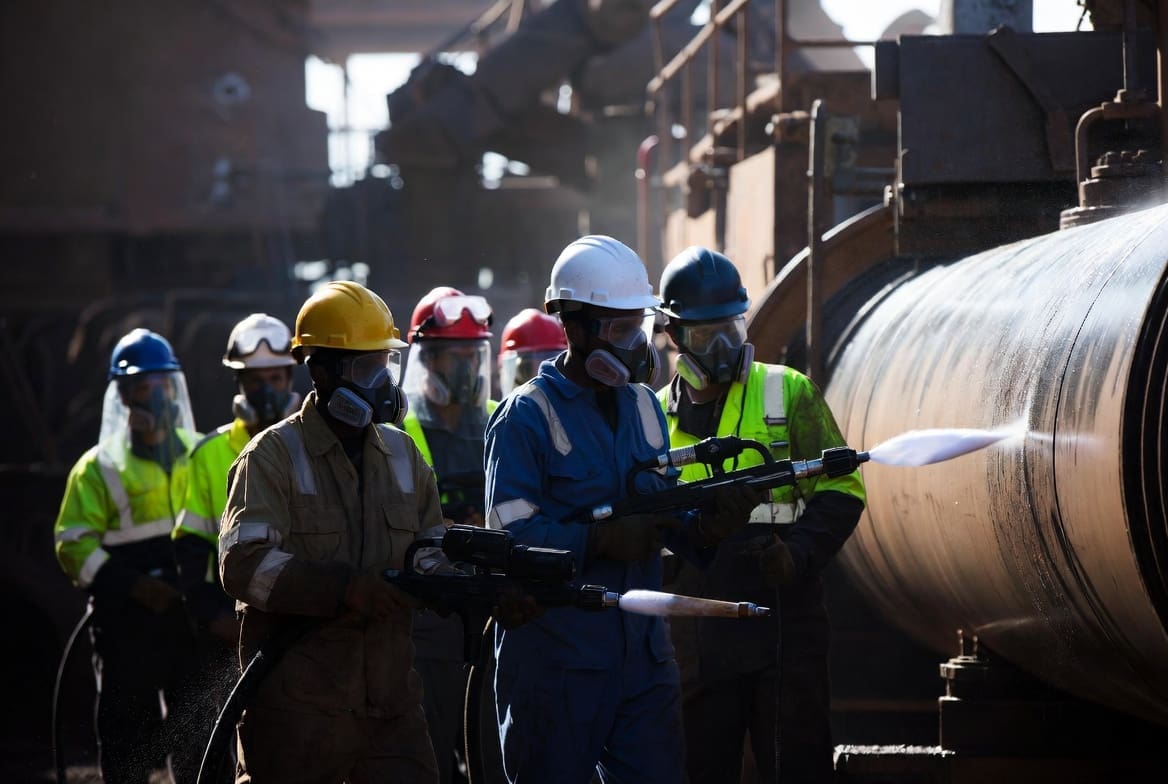
There is no universal schedule — it depends on the tank’s contents, operating conditions, and industry requirements. However, many South African mining and processing plants schedule professional cleaning annually or during planned shutdowns. Tanks storing aggressive chemicals, fuels, or wastewater often require more frequent attention.
Attempting to clean large industrial tanks without the right equipment and training is extremely dangerous. Our team uses advanced high-pressure water jetting systems combined with proper confined space entry protocols and industrial vacuum recovery. This approach is highly effective at removing even heavy sludge and scale while minimising waste and environmental impact.
We also help clients integrate tank cleaning into their broader waste management and ESG strategies, supporting zero waste to landfill goals where possible.
Waiting until a tank fails or causes a production stoppage is costly and avoidable. If you’ve noticed any of the warning signs above, or if it’s been more than 12 months since your last professional clean, it’s time to take action.
Contact Smet Jet Africa today for a professional assessment and quote. Our experienced team provides safe, efficient, and compliant industrial tank cleaning services across Mpumalanga and South Africa.
Integrated waste management, industrial cleaning, and plumbing services - keeping Africa's industrial plants running at peak performance.