
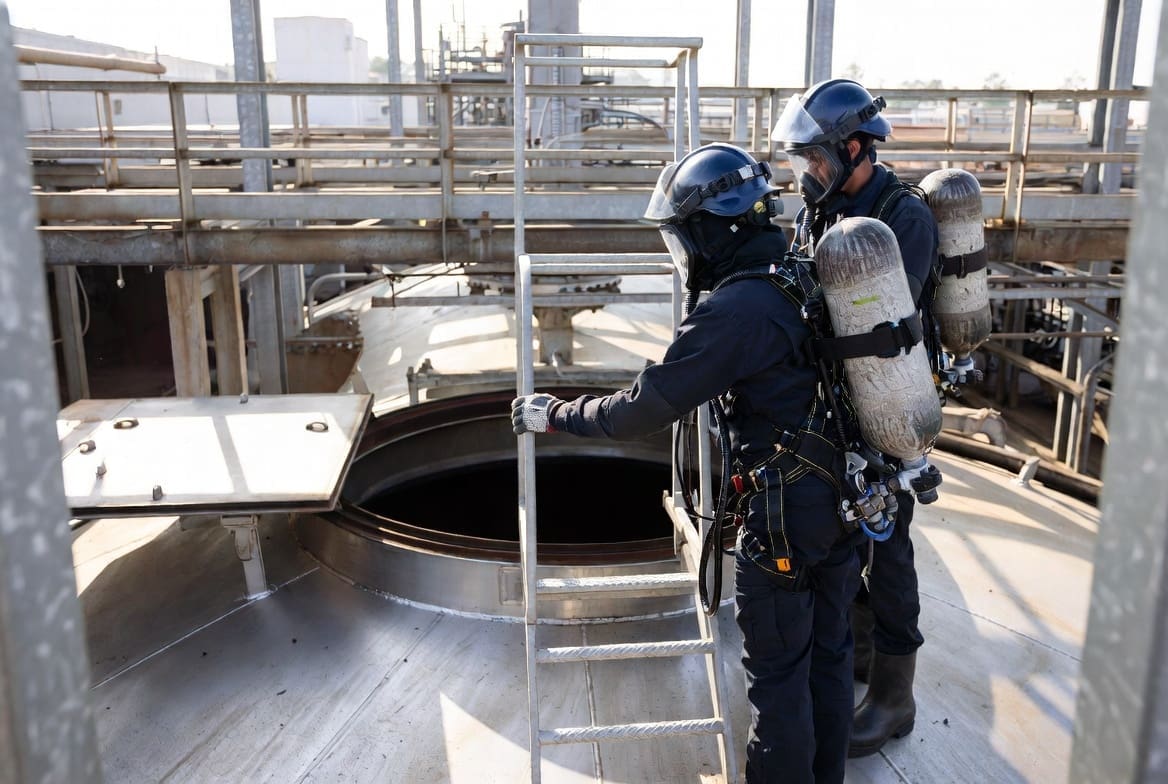
Confined Space Safety During Industrial Tank Cleaning Operations
Industrial tank cleaning is one of the highest-risk activities in the mining, petrochemical, and manufacturing sectors. Many tanks qualify as **confined spaces**, which means they present serious hazards such as oxygen deficiency, toxic gases, flammable atmospheres, and engulfment risks.
Understanding and managing these risks is essential for protecting workers during confined space tank cleaning operations.
What Makes Tank Cleaning a Confined Space Activity?
A confined space is typically defined as an enclosed area that is not designed for continuous human occupancy and has limited entry and exit points. Storage tanks, process vessels, silos, and boilers often fall into this category.
During tank cleaning, workers may be exposed to:
- Oxygen deficiency or enrichment
- Toxic or flammable gases and vapours
- Residual chemicals or sludge that can release hazardous substances
- Engulfment from loose materials
- Physical hazards such as slips, falls, and moving equipment
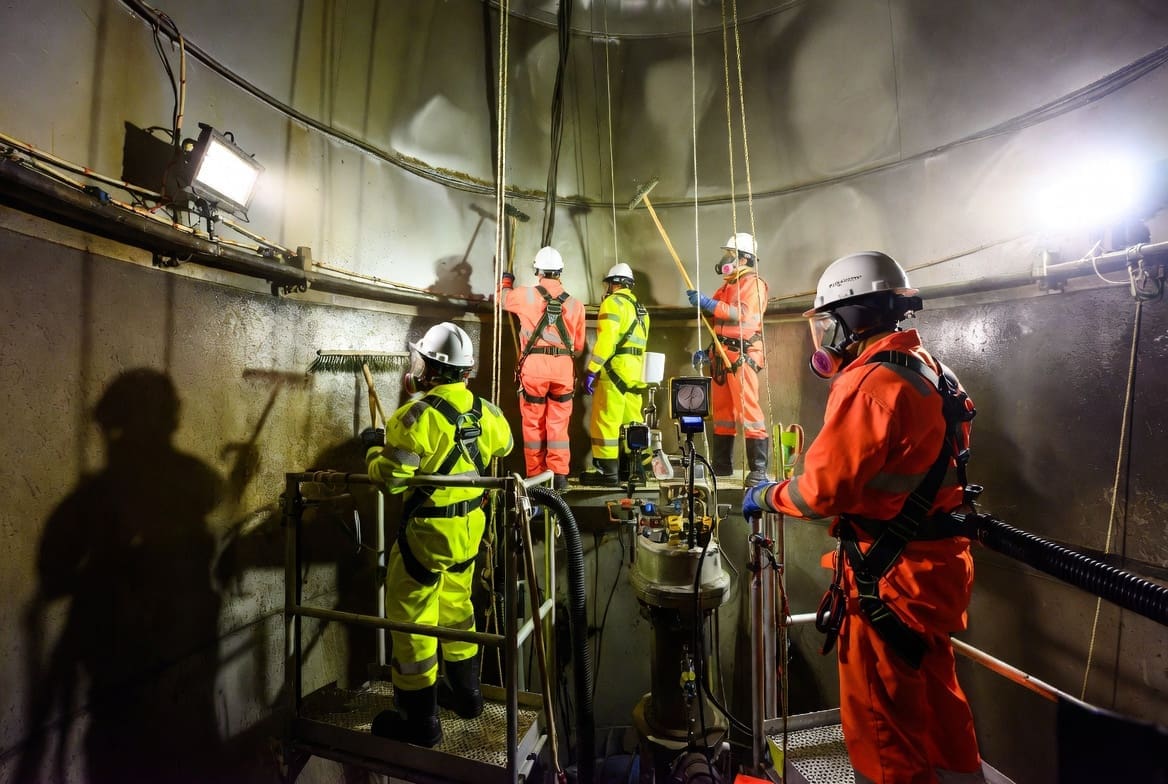
Legal Requirements for Confined Space Tank Cleaning in South Africa
Under the Occupational Health and Safety Act and its regulations, employers have a legal duty to ensure the safety of workers entering confined spaces. This includes conducting risk assessments, issuing entry permits, providing proper training, and ensuring adequate rescue arrangements are in place.
Failure to follow proper procedures can result in serious injury, fatalities, and significant legal consequences for the company.
Key Safety Requirements for Confined Space Tank Cleaning
1. Risk Assessment and Entry Permit
A thorough risk assessment must be completed before any entry. A formal entry permit system should be used to authorise work and confirm that all safety controls are in place.
2. Atmospheric Testing
Before and during entry, the atmosphere inside the tank must be tested for oxygen levels, flammable gases, and toxic substances. Continuous monitoring is often required.
3. Ventilation
Proper ventilation is critical to maintain safe atmospheric conditions and remove hazardous vapours during the cleaning process.
4. Rescue Plan
A documented rescue plan must be in place before any worker enters the tank. This includes having trained rescue personnel and appropriate equipment readily available.
5. Competent Personnel
Only trained and competent personnel should be allowed to enter confined spaces. Workers must understand the hazards and the correct use of personal protective equipment (PPE).

Best Practices for Safe Tank Cleaning
Professional industrial cleaning companies follow strict safety protocols when performing confined space tank cleaning. This includes using gas detection equipment, supplied-air breathing apparatus where necessary, and following strict entry and exit procedures.
Choosing an experienced service provider with proven confined space capabilities significantly reduces risk compared to attempting the work in-house without proper systems.
Protecting Workers During Tank Cleaning
Safety must always come first during industrial tank cleaning. Cutting corners on confined space procedures not only endangers lives but can also result in serious legal and financial consequences for the organisation.
If your operation requires tank cleaning in confined spaces, ensure that robust safety systems are in place and that the work is carried out by competent professionals.
Contact Smet Jet Africa for professional and safety-compliant industrial tank cleaning services across Mpumalanga and South Africa. Our teams are trained and equipped to handle confined space entries safely and effectively.




No comment