Hazardous Garbage: Safe Management in Industrial Sites
What many people refer to as hazardous garbage is legally classified as hazardous waste under South African law. In industrial and mining environments, this type of waste requires careful handling to protect workers, the environment, and the company from serious compliance risks.
This article explains what counts as hazardous garbage, the dangers of poor management, and practical steps industrial sites should follow.
What Qualifies as Hazardous Garbage?
Hazardous garbage includes any waste material that can harm people or the environment because of its chemical, physical, or toxic properties. Common examples found on industrial and mining sites include:
- Used oils, greases, and lubricants
- Contaminated rags, absorbents, and spill materials
- Empty chemical drums and containers with residue
- Solvents, thinners, and cleaning chemicals
- Batteries, fluorescent tubes, and certain electronic waste
- Process sludge and contaminated liquids
Even items that look like ordinary waste can become hazardous garbage once they are contaminated with dangerous substances.
Risks of Poor Hazardous Garbage Management
Failing to manage hazardous garbage correctly can lead to:
- Soil and groundwater contamination
- Health risks for workers and surrounding communities
- Fines and legal action under the National Environmental Management: Waste Act
- Damage to company reputation and ESG performance
- Increased long-term clean-up costs
South African law places a clear duty of care on the waste generator. This means the company that produces the hazardous garbage remains responsible for its safe storage, transport, and final disposal.
Best Practices for Managing Hazardous Garbage
1. Identify and Segregate Correctly
Never mix hazardous garbage with general waste. Use clearly labelled containers and keep hazardous materials separate from ordinary refuse.
2. Store Safely On Site
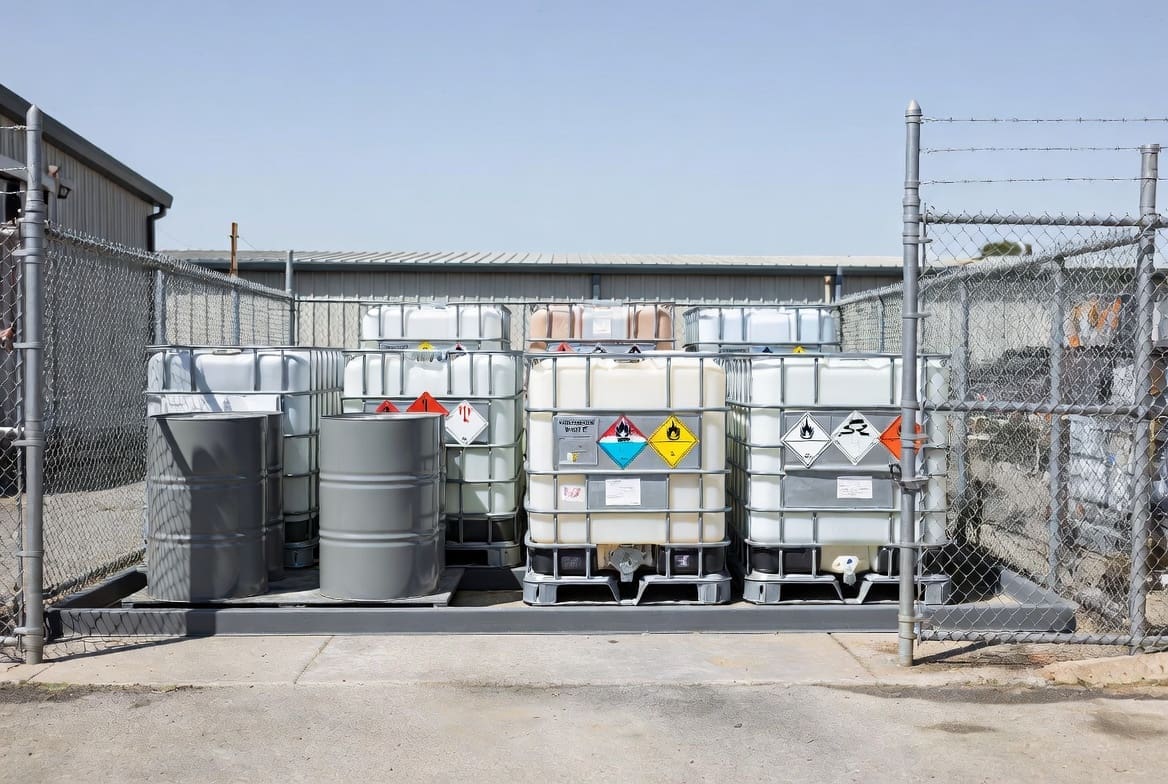
Store hazardous garbage in designated areas with secondary containment, proper signage, and protection from weather and unauthorised access.
3. Use Licensed Disposal Partners
Only work with registered and licensed waste service providers. Always request proof of safe disposal and tracking documentation.
4. Train Employees
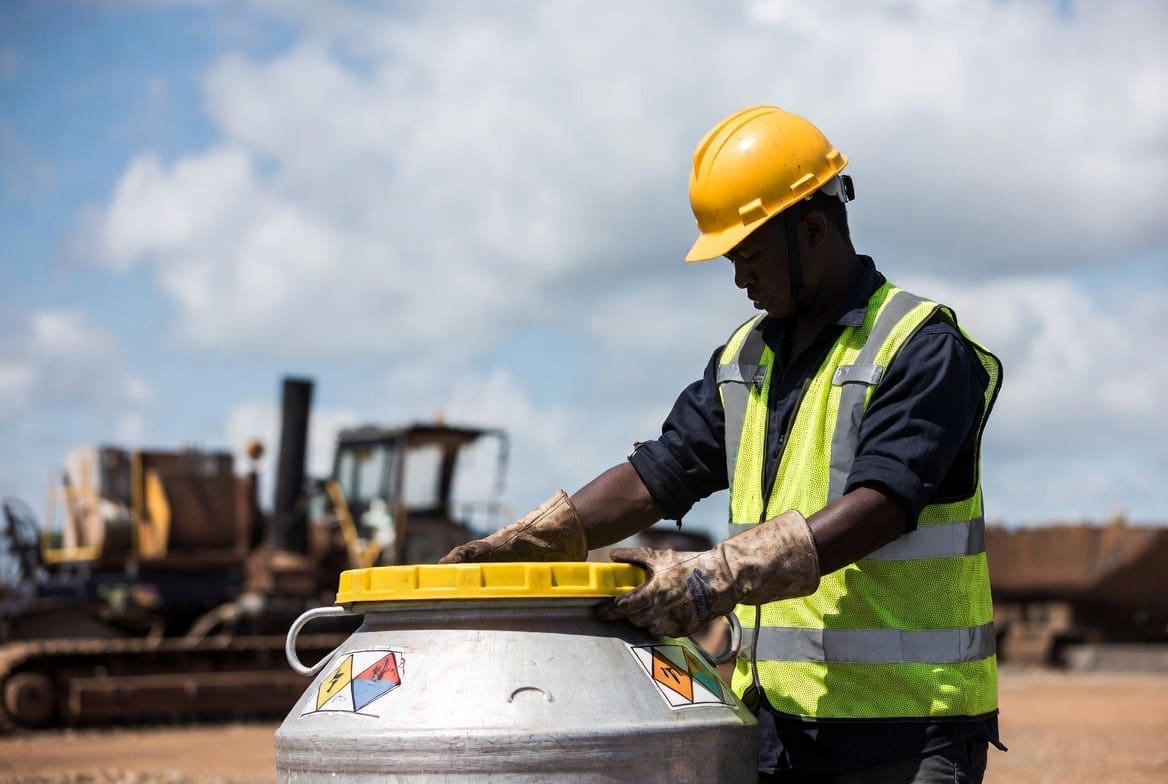
Staff who handle or come into contact with hazardous materials must understand the risks and follow correct procedures.
5. Keep Accurate Records
Maintain clear records of the type, volume, and destination of all hazardous garbage leaving your site. This is essential for audits and legal compliance.
Why Professional Support Matters
Many industrial and mining operations do not have the internal systems or specialised equipment needed to manage hazardous garbage from start to finish. Partnering with an experienced industrial cleaning and waste management company helps ensure materials are handled safely and in line with regulations.
At Smet Jet Africa, we assist industrial and mining clients across South Africa with the safe management of hazardous materials as part of our professional waste management services.
If your site needs practical support with hazardous garbage handling or disposal, contact us for a site assessment.




No comment