Hazardous Trash: Safe Handling in Industrial Sites
Improper handling of hazardous trash is one of the biggest compliance and safety risks facing industrial and mining operations in South Africa. What many people casually call “hazardous trash” is legally classified as hazardous waste and is strictly regulated.
In this article, we explain what qualifies as hazardous trash, the risks of poor management, and the best practices for handling it safely on industrial sites.
What Is Considered Hazardous Trash?
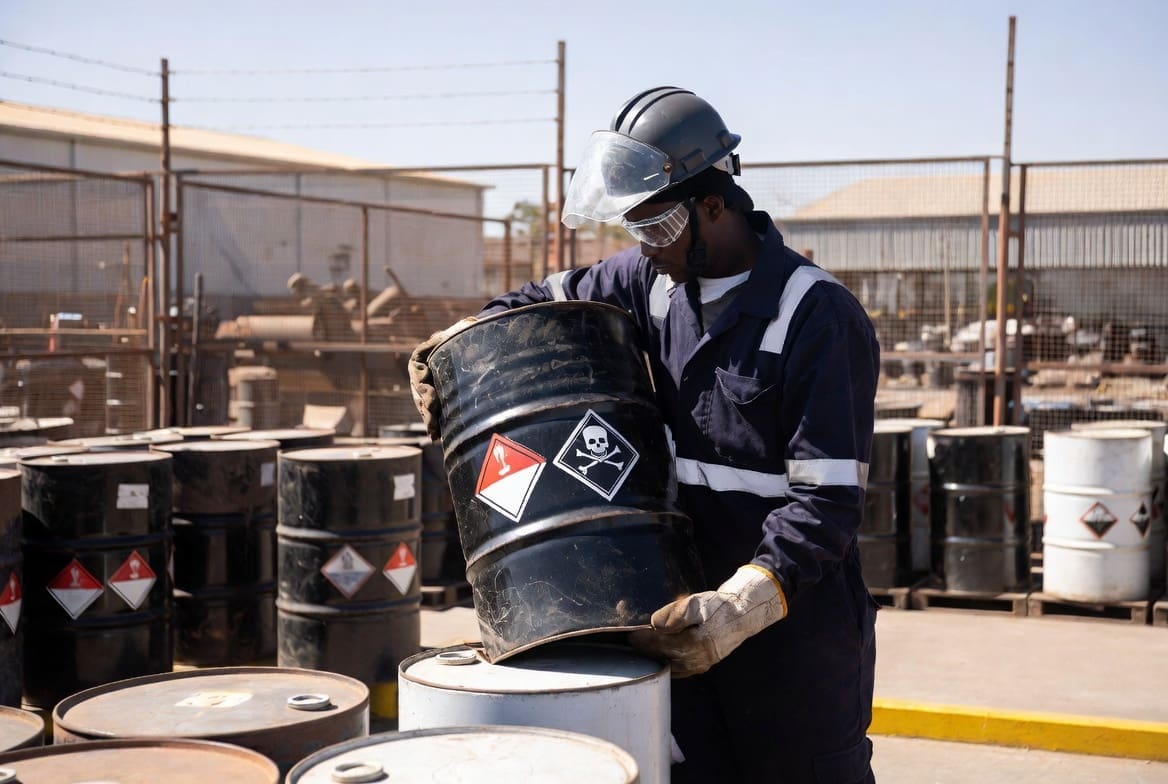
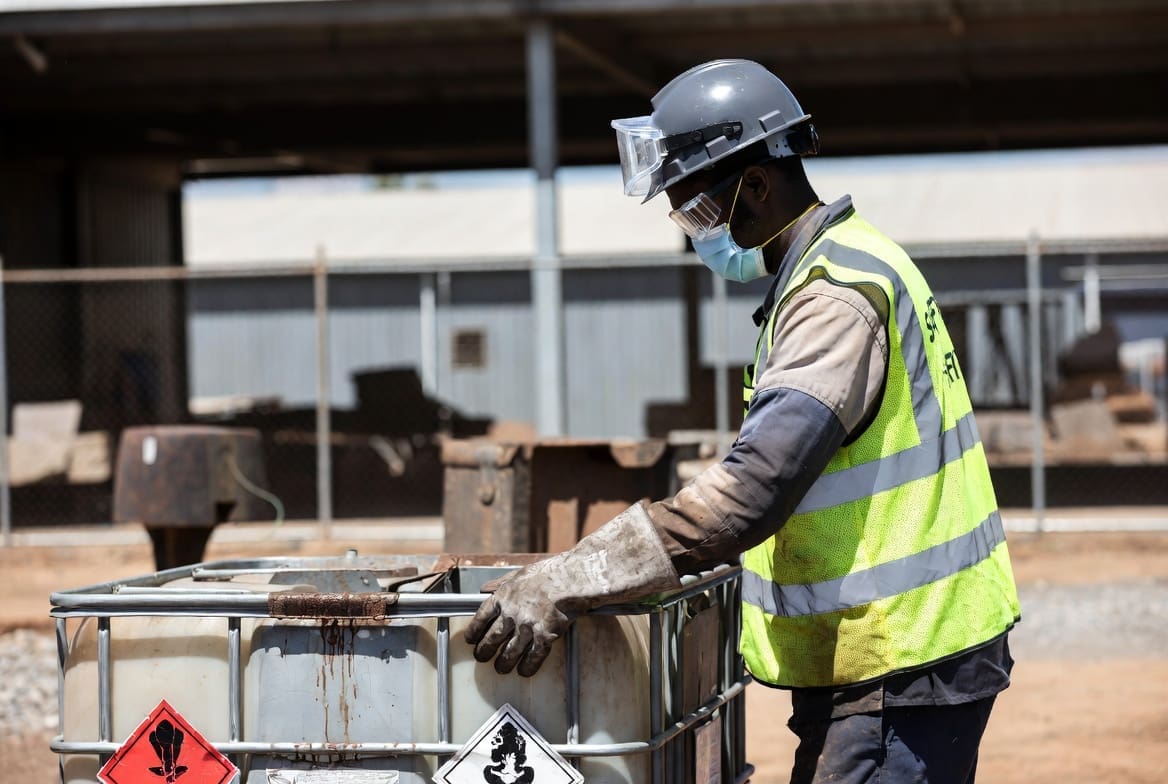
Hazardous trash includes any waste that poses a risk to human health or the environment because of its chemical, physical, or biological properties. Common examples in industrial and mining environments include:
- Used oils and lubricants
- Contaminated rags and absorbent materials
- Chemical containers and residues
- Solvents and cleaning agents
- Batteries, fluorescent tubes, and electronic waste
- Contaminated sludge and process residues
Even materials that look like ordinary trash can be classified as hazardous if they are contaminated with dangerous substances.
Why Proper Management of Hazardous Trash Matters
Failing to manage hazardous trash correctly can lead to serious consequences:
- Environmental contamination of soil and water
- Health risks to workers and nearby communities
- Heavy fines and legal action under South African environmental law
- Damage to company reputation and ESG performance
Under the National Environmental Management: Waste Act, generators of hazardous waste have a duty of care to ensure it is stored, transported, and disposed of correctly.
Best Practices for Handling Hazardous Trash

1. Correct Identification and Segregation
Never mix hazardous trash with general waste. Clear labelling and separate storage containers are essential to prevent cross-contamination.
2. Safe On-Site Storage
Hazardous materials should be stored in designated, secure areas with proper containment, signage, and protection from weather and unauthorised access.
3. Use of Licensed Service Providers
Only registered and licensed waste contractors should collect and dispose of hazardous trash. Ask for proof of safe disposal and tracking documentation.
4. Proper Training for Staff
Workers who handle or come into contact with hazardous materials must be trained on the risks and correct procedures.
5. Accurate Record Keeping
Maintain records of the type, quantity, and destination of all hazardous waste leaving your site. This is important for both compliance and audits.
The Role of Professional Waste Partners
Many industrial sites do not have the internal capacity to manage hazardous trash safely from start to finish. Partnering with a professional industrial cleaning and waste management company helps ensure that hazardous materials are handled correctly, from collection through to final disposal.
At Smet Jet Africa, we support industrial and mining clients with the safe management of hazardous materials as part of our broader waste management and industrial cleaning services across South Africa.
If your operation needs help managing hazardous trash or improving your current waste procedures, contact us for practical advice and support.




No comment