
Waste Management Corporation: How to Choose the Right Partner for Industrial Operations
Choosing the right waste management corporation is a critical decision for mining, manufacturing, and industrial plants across South Africa. The wrong partner can lead to higher costs, compliance risks, and environmental problems. The right one helps reduce waste volumes, improve safety, and support your ESG goals.
In this guide, we explain what a professional waste management corporation should offer and how to select one that delivers real value.
What Does a Waste Management Corporation Do?
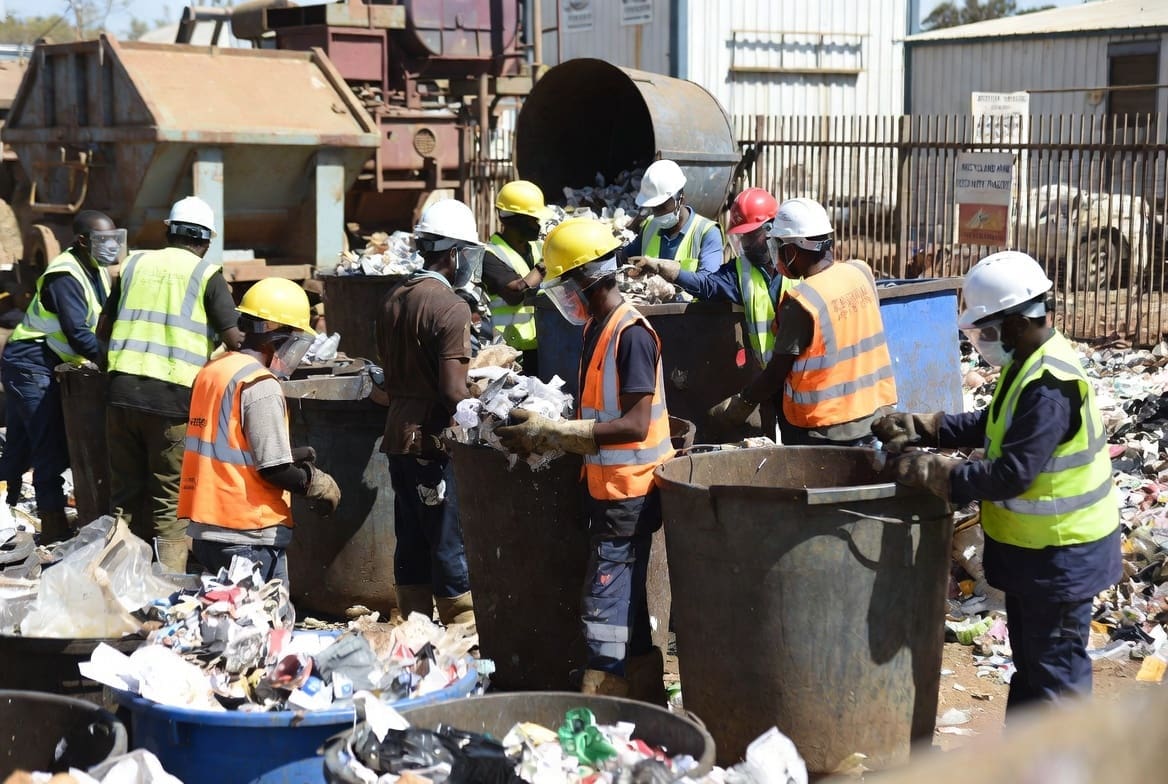
A specialised waste management corporation handles the full lifecycle of industrial waste. This includes collection, segregation, treatment, recycling, and responsible disposal. In industrial and mining environments, the role goes beyond basic waste removal.
Typical services include:
- Industrial waste collection and transport
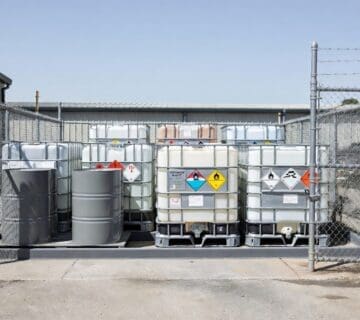
- Hazardous and non-hazardous waste handling
- On-site waste segregation and recovery
- Vacuum recovery of sludge, liquids, and solids
- Support for zero waste to landfill programmes
- Compliance documentation and reporting
Why Industrial Operations Need a Specialist Waste Management Corporation
General waste contractors often lack the equipment, permits, and expertise required for industrial waste streams. A dedicated waste management corporation understands the unique challenges of mining, petrochemical, and heavy industry sites.
Key advantages include:
- Reduced risk of environmental non-compliance
- Lower long-term waste disposal costs
- Improved site housekeeping and safety
- Better recovery and recycling rates
- Support for ESG and sustainability reporting

How to Evaluate a Waste Management Corporation
When selecting a waste management corporation, consider the following factors:
1. Industry Experience
Look for proven experience in mining, power generation, or heavy industrial environments. Experience with high-pressure jetting, vacuum services, and tank cleaning is a strong advantage.
2. Compliance and Licences
Ensure the company holds the necessary environmental authorisations and can provide full traceability of waste from collection to final disposal.
3. Focus on Waste Minimisation
The best partners actively help clients reduce waste volumes rather than simply collecting more. Ask about their approach to recovery, recycling, and zero waste to landfill targets.
4. Safety Standards
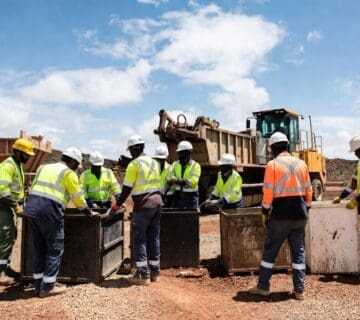
Industrial waste handling often involves hazardous materials and confined spaces. Confirm that the waste management corporation has strong safety systems, trained personnel, and proper PPE protocols.
5. Local Presence and Response Capability
For operations in Mpumalanga and surrounding regions, a local or regionally based partner can respond faster and understand provincial requirements better.
The Role of a Waste Management Corporation in Zero Waste to Landfill
Many industrial companies are now setting zero waste to landfill targets. A capable waste management corporation plays a central role by identifying recoverable materials, improving on-site segregation, and diverting waste from landfill through recycling and treatment.
This approach not only reduces environmental impact but can also lower disposal costs over time.
Partnering for Long-Term Results
The most successful relationships are ongoing rather than one-off contracts. A good waste management corporation works with your team to continuously improve waste streams, reduce costs, and maintain compliance.
At Smet Jet Africa, we combine industrial cleaning expertise with professional waste management services. Our focus is on practical solutions that support safety, efficiency, and environmental responsibility for industrial and mining clients across South Africa.
If you are evaluating a new waste management corporation or looking to improve your current waste programme, contact us for a site assessment and tailored proposal.




No comment