
Emergency Industrial Spill Response: What South African Plants Need to Know
Industrial spills involving oil, chemicals, fuels, or hazardous substances can happen at any time in mining, petrochemical, manufacturing, and processing plants. When they do occur, a fast and effective response is critical — not only to protect people and the environment, but also to minimise operational disruption and legal liability.
In South Africa, companies have a legal duty to respond properly to spills. Understanding your responsibilities and having the right procedures and partners in place can make a significant difference.
Legal Requirements for Spill Response in South Africa
Under the **National Environmental Management Act (NEMA)**, particularly Section 28, every person or company has a duty of care to take reasonable measures to prevent pollution and environmental degradation. This includes having proper spill response plans and being able to act quickly when incidents occur.
Failure to respond adequately can result in significant fines, cleanup orders, and even criminal liability in serious cases. Certain industries (such as mining and petrochemical) also have additional requirements under sector-specific regulations.
Why Quick Industrial Spill Response Matters
The first few hours after a spill are the most critical. Delayed response can lead to:
- Contamination of soil, groundwater, and nearby water sources
- Damage to plant equipment and infrastructure
- Production stoppages and major financial losses
- Health and safety risks to workers and surrounding communities
- Long-term environmental damage and costly remediation
Key Elements of Effective Spill Response
Every plant should have the following in place:
1. Spill Response Plan
A documented plan that outlines roles, responsibilities, notification procedures, containment strategies, and cleanup methods for different types of spills.
2. Appropriate Spill Kits and Equipment
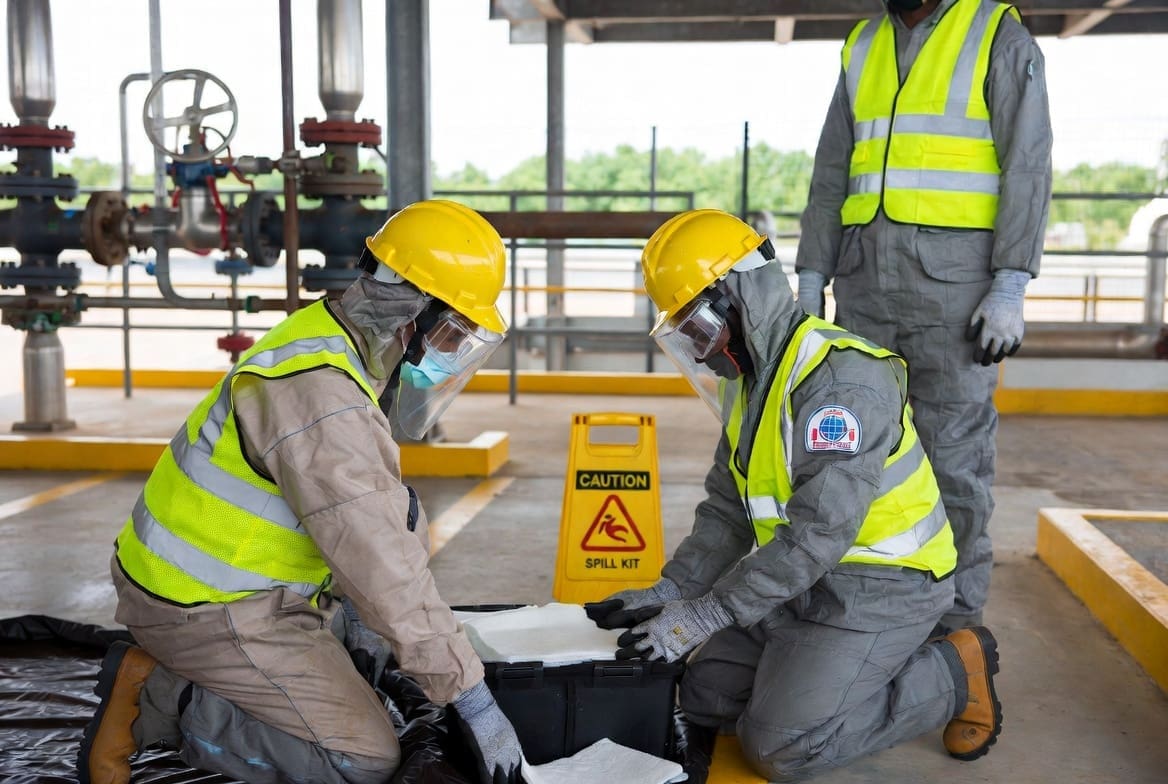
Having the right absorbents, booms, drain covers, and personal protective equipment (PPE) readily available on site.
3. Trained Personnel
Staff should be trained in spill identification, initial containment, and when to escalate to professional responders.
4. Professional Emergency Response Partner
For larger or hazardous spills, most plants do not have the specialised equipment or expertise required for safe and compliant cleanup. This is where professional industrial spill response teams become essential.
 The Role of Professional Industrial Spill Response
 The Role of Professional Industrial Spill Response
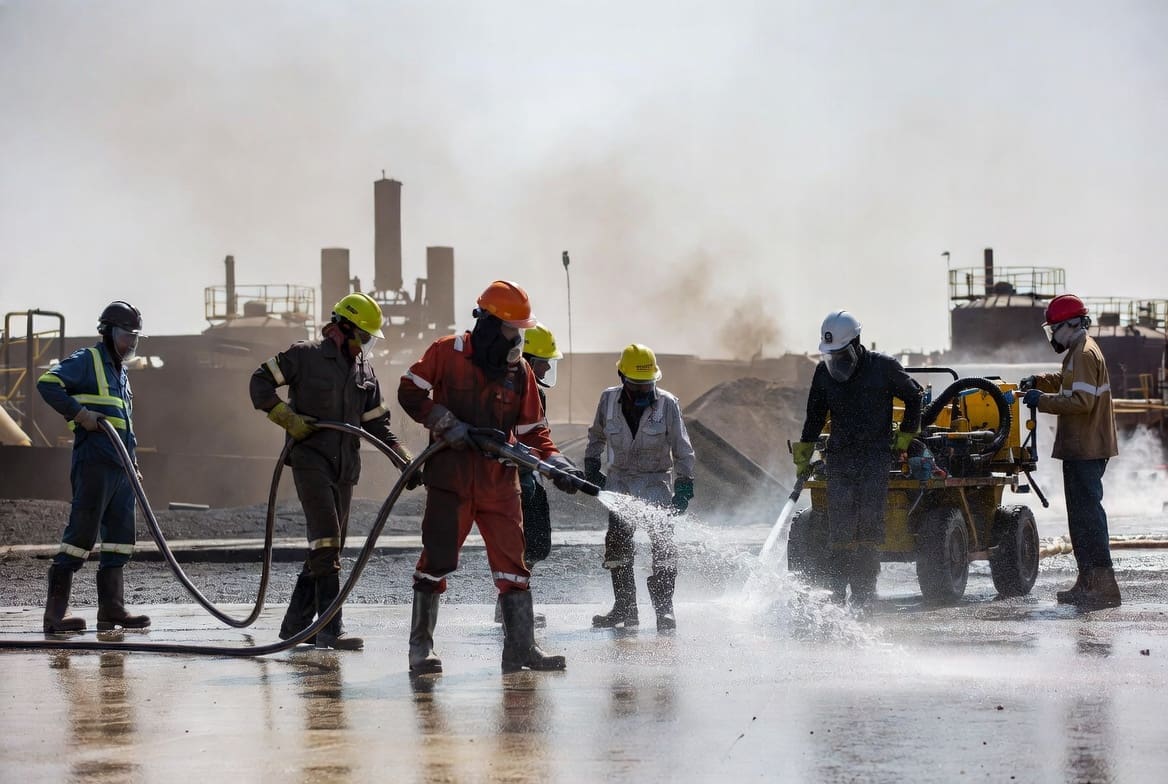
Professional response teams bring specialised equipment (including high-pressure jetting and industrial vacuum systems), trained personnel, and experience in handling hazardous materials safely. They can also manage the proper disposal of contaminated waste in line with South African environmental regulations — supporting your waste management and ESG goals.
Having a trusted emergency response partner on call 24/7 significantly reduces the risk of secondary damage and helps ensure compliance with legal requirements.
Prevention is Still Better Than Cure
While having a strong spill response capability is essential, the best strategy remains prevention. Regular equipment maintenance, proper storage of hazardous substances, good housekeeping, and proactive industrial cleaning all help reduce the likelihood of spills occurring in the first place.
Is Your Plant Prepared?
Many operations only realise gaps in their spill response capability after an incident has already occurred. If you haven’t reviewed your spill response procedures recently, or if you don’t have a reliable professional partner for emergency cleanup, now is the time to act.
Contact Smet Jet Africa for professional industrial spill response and cleanup services across Mpumalanga and South Africa. Our team is equipped to handle emergency situations safely, efficiently, and in full compliance with environmental regulations.




No comment