
How to Achieve Zero Waste to Landfill in Industrial & Mining Operations in South Africa
In today’s industrial landscape, achieving zero waste to landfill is no longer optional — it’s a business necessity. With increasing regulatory pressure and ESG reporting requirements in South Africa, companies in mining, power generation, petrochemical, and manufacturing sectors are actively seeking better waste management solutions. This guide shares proven strategies to help you reach zero waste to landfill goals using professional industrial cleaning and sustainable practices.

What Does Zero Waste to Landfill Mean?
Zero waste to landfill means diverting 100% of waste away from landfill sites through reduction, reuse, recycling, and recovery. For heavy industry, this involves transforming waste streams into valuable resources instead of disposing of them.
Why Zero Waste to Landfill Matters in South Africa
- Stricter environmental regulations and compliance requirements
- Improved ESG scores and investor confidence
- Significant cost savings on waste disposal
- Enhanced corporate reputation and sustainability credentials
- Contribution to the national circular economy goals

Key Strategies to Achieve Zero Waste to Landfill
1. Implement Professional Industrial Cleaning
Effective industrial cleaning is the foundation of good waste management. Using high pressure water jetting, vacuum recovery systems, and chemical-free methods allows for better separation of waste materials, making recycling and recovery much easier.
2. Waste Segregation at Source
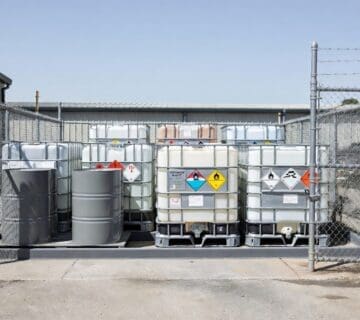
Separate waste streams immediately — metals, plastics, sludge, water, and hazardous materials. Proper segregation dramatically increases recovery rates and supports zero waste to landfill targets.
3. Use Advanced Vacuum Recovery Systems
Pair your industrial cleaning processes with powerful industrial vacuum services. This captures wastewater, sludge, and debris at the source, preventing contamination and enabling treatment and recycling of materials.
4. Recycle and Recover Materials
Work with certified partners who can recycle recovered metals from tank and pipe cleaning, treat and reuse water, process sludge into alternative fuels or construction materials, and safely handle hazardous waste.
5. Adopt Preventative Maintenance Programs
Regular industrial cleaning and maintenance reduces the volume of waste generated. Clean equipment runs more efficiently and produces less scale, rust, and contaminants over time.
Role of High Pressure Water Jetting in Zero Waste Goals
High pressure water jetting combined with vacuum recovery is one of the most effective ways to support zero waste to landfill. It removes deposits without chemicals, and the recovered water and solids can be treated and diverted from landfill.
Common Challenges and How to Overcome Them
Many companies struggle with high waste volumes, lack of on-site separation technology, and limited recycling infrastructure. Partnering with an experienced company like Smet Jet Africa helps overcome these challenges with tailored industrial cleaning & waste management solutions.
Case Study: Real Results in Mpumalanga
Smet Jet Africa helped a major mining operation in the Highveld region achieve a 94% waste diversion rate from landfill by implementing comprehensive cleaning, vacuum recovery, and recycling programs. This resulted in reduced disposal costs and improved ESG performance.
Conclusion
Achieving zero waste to landfill requires commitment, the right technology, and expert support. By combining professional industrial cleaning with smart waste management strategies, your operation can meet sustainability targets while reducing costs and improving efficiency.
Ready to start your journey toward zero waste to landfill? Contact Smet Jet Africa today. Our team provides professional industrial cleaning, waste management, and vacuum services across Mpumalanga and South Africa.




No comment